
Unveiling the Green Revolution: Canadian Cannabis Packaging Solutions
- Bilal Clouse
- Jul 4, 2024
- 2 min read

In the thriving landscape of the Canadian cannabis industry, the spotlight is not only on the potent strains or innovative products but also on the crucial aspect of packaging solutions. As the market expands and diversifies, the environmental impact of these packaging materials becomes a pivotal concern. Let's delve into the realm of Canadian cannabis packaging solutions, examining their environmental impacts, along with the pros and cons they entail.
1. Glass Jars: A Classic Touch
Glass jars have been a staple in cannabis packaging for their aesthetic appeal and sturdiness. They offer an excellent option for preserving the freshness and potency of the product. Additionally, glass is easily recyclable, aligning with eco-conscious practices. However, their weight and fragility can lead to increased transportation costs and breakage issues.
2. Plastic Containers: Convenience vs. Environmental Concerns
Plastic containers are lightweight, cost-effective, and offer unparalleled convenience in terms of storage and transportation. Nevertheless, the environmental repercussions of plastic waste are undeniable. The recycling of plastic containers poses challenges, with many ending up in landfills or oceans, contributing to pollution.
3. Mylar Bags: The Practical Choice
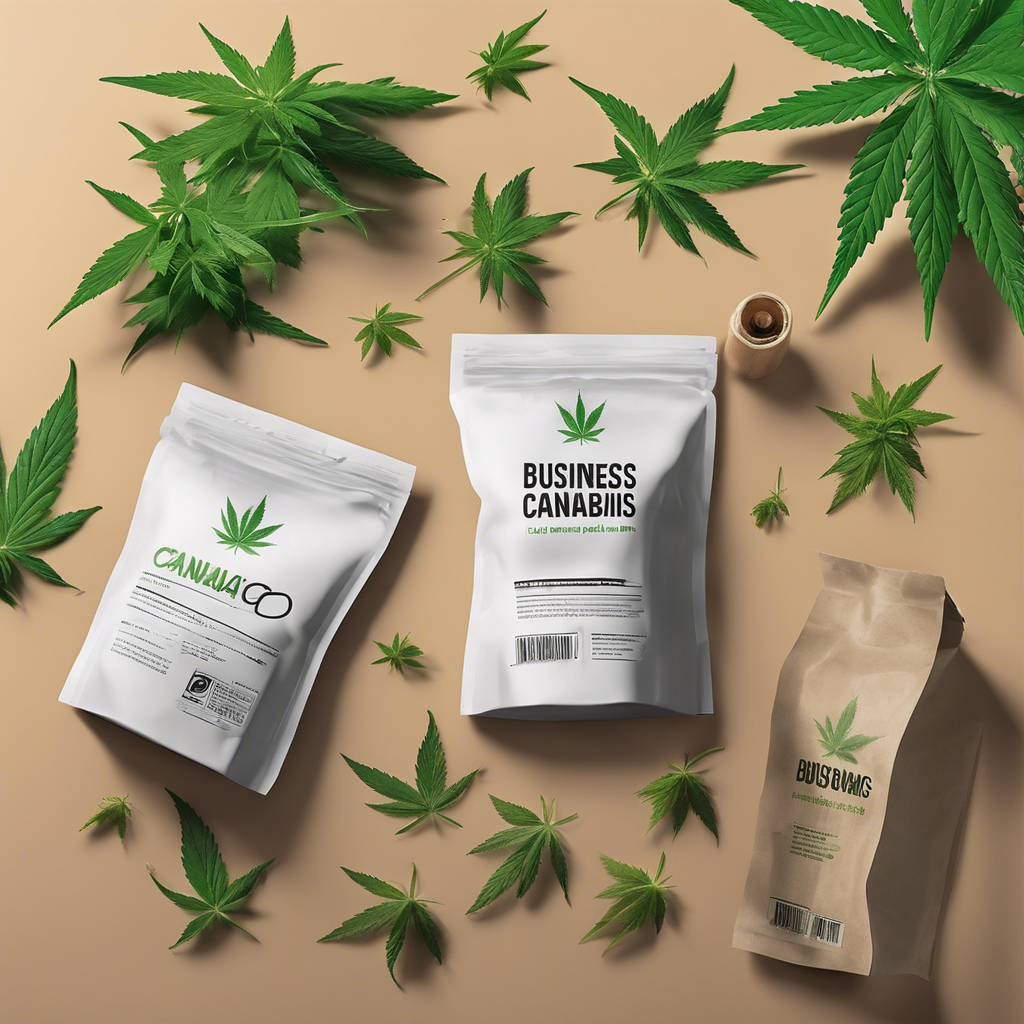
Mylar bags have emerged as a popular packaging solution due to their lightweight nature and ability to preserve product freshness. While they are often touted for their barrier properties, the disposal of Mylar bags raises concerns about their environmental impact. Proper recycling programs are essential to mitigate the negative effects.
4. Tin Containers: Balance Between Durability and Sustainability
Tin containers offer a durable and eco-friendly alternative to traditional packaging materials. They are recyclable and reusable, making them a sustainable choice for environmentally-conscious consumers. However, the production of tin containers may have higher energy requirements compared to other options.
Assessing the Environmental Impacts
The Canadian cannabis industry is at a crossroads, balancing the need for effective packaging with the imperative to reduce environmental harm. The adoption of biodegradable packaging materials, such as hemp-based plastics or compostable options, holds promise in mitigating the industry's ecological footprint. Embracing such innovations can pave the way for a sustainable future in cannabis packaging.
Pros and Cons at a Glance
Glass Jars: Preservation of freshness and recyclability.
Plastic Containers: Convenience and cost-effectiveness.
Mylar Bags: Lightweight and practical for storage.
Tin Containers: Durable and environmentally friendly.
Glass Jars: Weight and fragility issues.
Plastic Containers: Environmental pollution and recycling challenges.
Mylar Bags: Disposal concerns and lack of recycling infrastructure.
Tin Containers: Higher energy requirements for production.
Conclusion: Toward Sustainable Packaging Solutions
As the Canadian cannabis industry continues to evolve, the quest for sustainable packaging solutions remains paramount. By weighing the pros and cons of different materials and embracing eco-friendly practices, stakeholders can drive positive change within the sector. From glass jars to tin containers, each packaging solution holds the potential to contribute to a greener, more responsible cannabis landscape.
In the pursuit of excellence and environmental consciousness, the Canadian cannabis industry stands poised to redefine packaging standards and lead the way towards a greener future.
Let us raise a toast to innovation, sustainability, and the green revolution in cannabis packaging solutions!
Remember, the power for change lies in our choices. Let's make them count.
Comments